Skip to main content Skip to search Skip to main navigation

Acca Kappa

Acca Kappa. Two initials that tell an Italian story. The story of the Krüll family, who have been running the company since 1869. The story of an old factory in the heart of the city of Treviso. The story of a lifestyle born of Italian taste, culture and elegance. Acca Kappa is a family business that has become an industrial company while remaining faithful to timeless values. A love of nature, respect for the human body and production made exclusively in Italy.

ACCA KAPPA | Italian Craftsmanship Since 1869 | Belladonna Naturkosmetik
Treviso, Italy · Since 1869

Acca Kappa

Craftsmanship refined across four generations.
Fragrances, hairbrushes and care from the heart of Veneto.

100% Made in Italy Family business since 1869 4 generations of the Krüll family Natural materials

"We grow up through experiences made of emotions, colours and perfumes. My values are family and nature. All perfumes are meant to share the memories and experiences that I highly cherish."

Elisa Gera-Krüll, CEO Acca Kappa

1869 Year founded
Treviso Historic headquarters
4 Generations of the Krüll family
100% Made in Italy

The story

From bristle trading to the Bella Fabbrica

The name Acca Kappa has a straightforward explanation: in Italian, H is pronounced Acca and K is pronounced Kappa. These two letters are the initials of Hermann Krüll, a German merchant from Prussia who found his home in Treviso in 1869, drawn by the beauty and craftsmanship of the Veneto region. Initially working as a trader in bristles and raw materials, he quickly recognized the potential of a small brush factory on the outskirts of Treviso, then known as the Premiata Fabbrica Spazzole Trevigiana. By 1899, he had acquired all shares of the company.

The first catalogue appeared in 1905 with 25 brush models. What began modestly grew, across four generations, into one of Italy's most respected manufacturers of hair and body care products, while remaining entirely family-owned.

Today, Elisa Gera-Krüll, the founder's great-granddaughter, leads the company from Treviso. Under her direction, Acca Kappa has developed a distinctive fragrance collection inspired by the scents and plants of Italian gardens.

The history of Acca Kappa is not a straight line. The company survived both World Wars, was expropriated twice and had to be repurchased by its own founder after the First World War. Hermann Krüll's sons Hans and Gunther lost their lives in the two conflicts. These experiences have shaped the company's outlook: tradition not as an end in itself, but as an obligation that is passed on from generation to generation.

  • 1869Hermann Krüll founds the company in Treviso
  • 1899Full acquisition of the factory
  • 1905First catalogue with 25 models
  • 1940sLaunch of the ebony wood collection
  • 1990Elisa Gera-Krüll takes over management
  • 1997Introduction of the White Moss fragrance
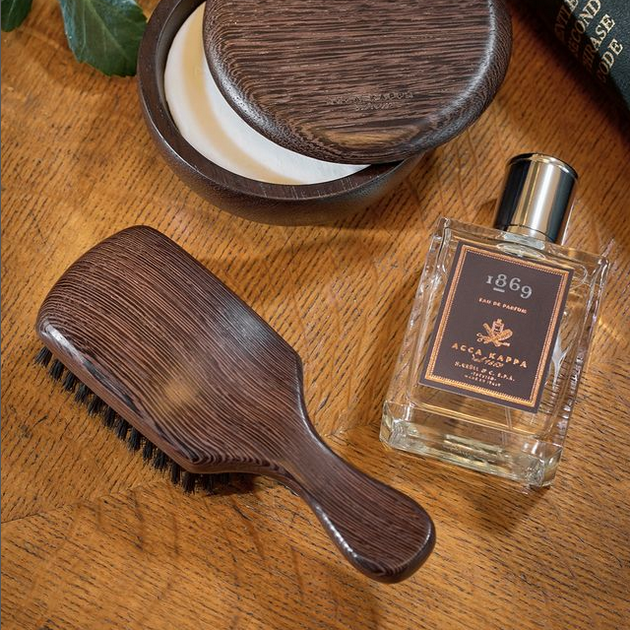
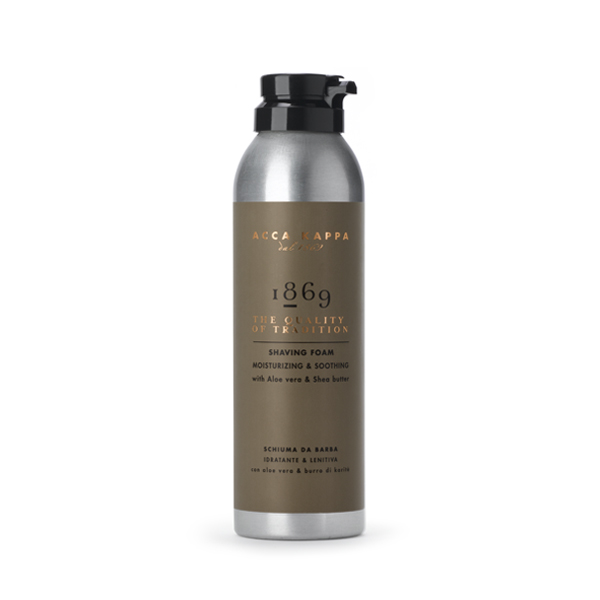
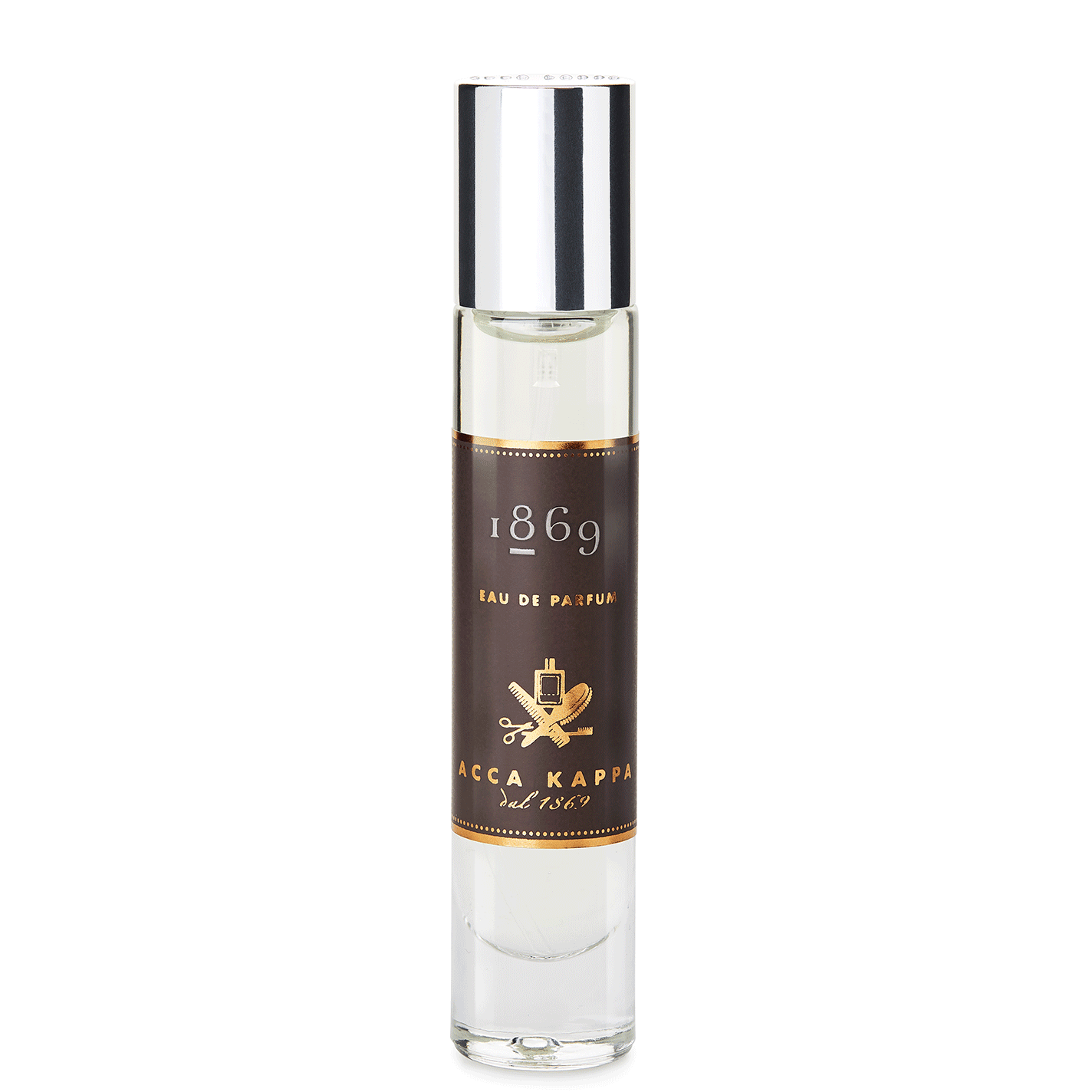
  • 2005Launch of the men's fragrance 1869
  • 2019150th anniversary, limited Infinito brush

Philosophy

Passion as craftsmanship

Acca Kappa describes its purpose in a single phrase: transforming passion into art. Behind every product lies a process of continuous improvement that has not been interrupted since 1869. Not by wars, not by expropriations. This continuity is not coincidental, but the result of a company culture in which generations of artisan families have worked together for decades.

Product development happens in close collaboration with international stylists and perfumers, while remaining true to the principle that has held since the very first catalogue: only use materials that meet the quality and standard the product demands. Sustainability is not a newly adopted mission statement, but a consequence of this approach.

Made in Italy

All products are manufactured exclusively in Treviso and the surrounding region. No outsourcing, no compromise in production.

Family tradition

Four generations of the Krüll family have led the company. Many employee families have worked for Acca Kappa across two and three generations.

Natural materials

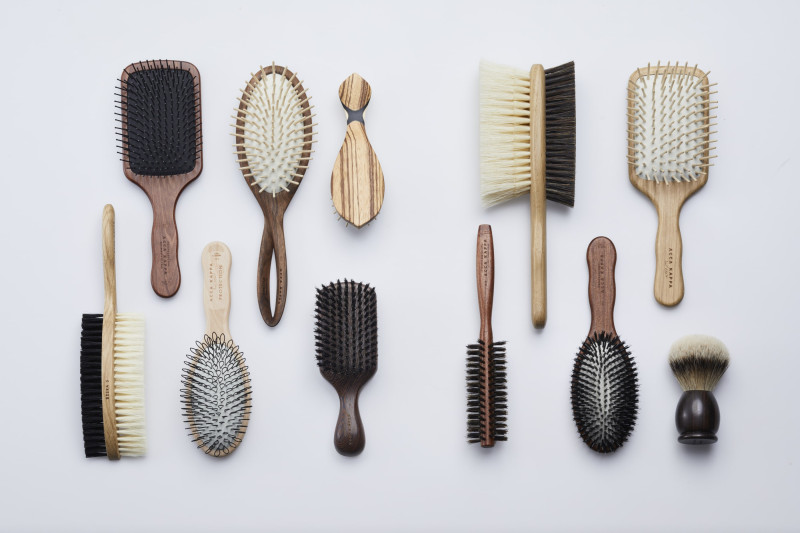
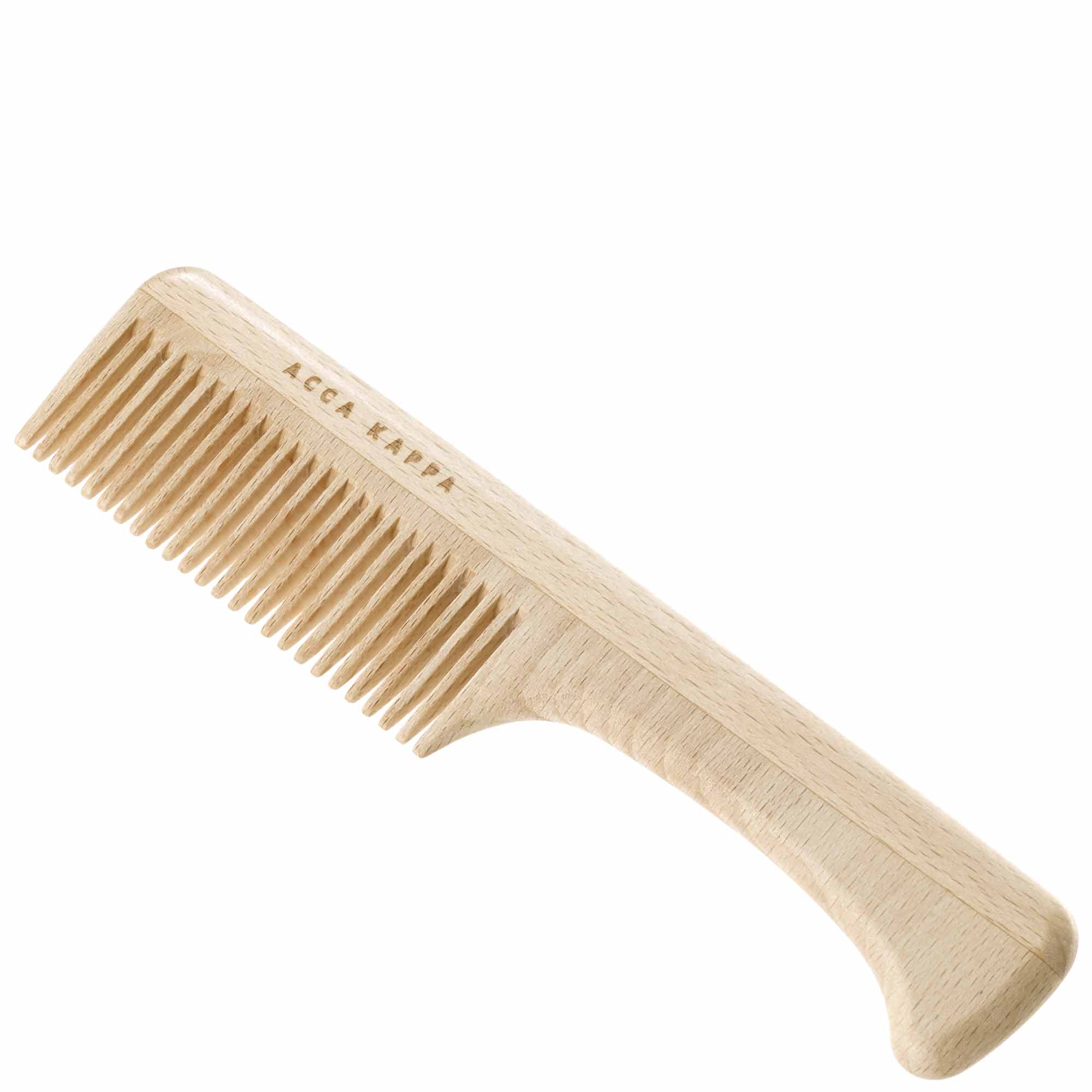
Kotibé wood, beechwood, wild boar bristle, natural rubber: material choices are guided by the craft, not the trend.

Continuity

Hairbrushes have been made in Treviso since 1905. Techniques passed down over nearly 120 years form the foundation for every new collection.


The range at Belladonna

Three worlds, one standard

Acca Kappa brings together three distinct product areas at Belladonna, all sharing the same uncompromising quality.

Buying guide

The right Acca Kappa brush for your hair type

Acca Kappa produces hairbrushes for very different needs. This guide helps you find the right model.

01 Fine or delicate hair

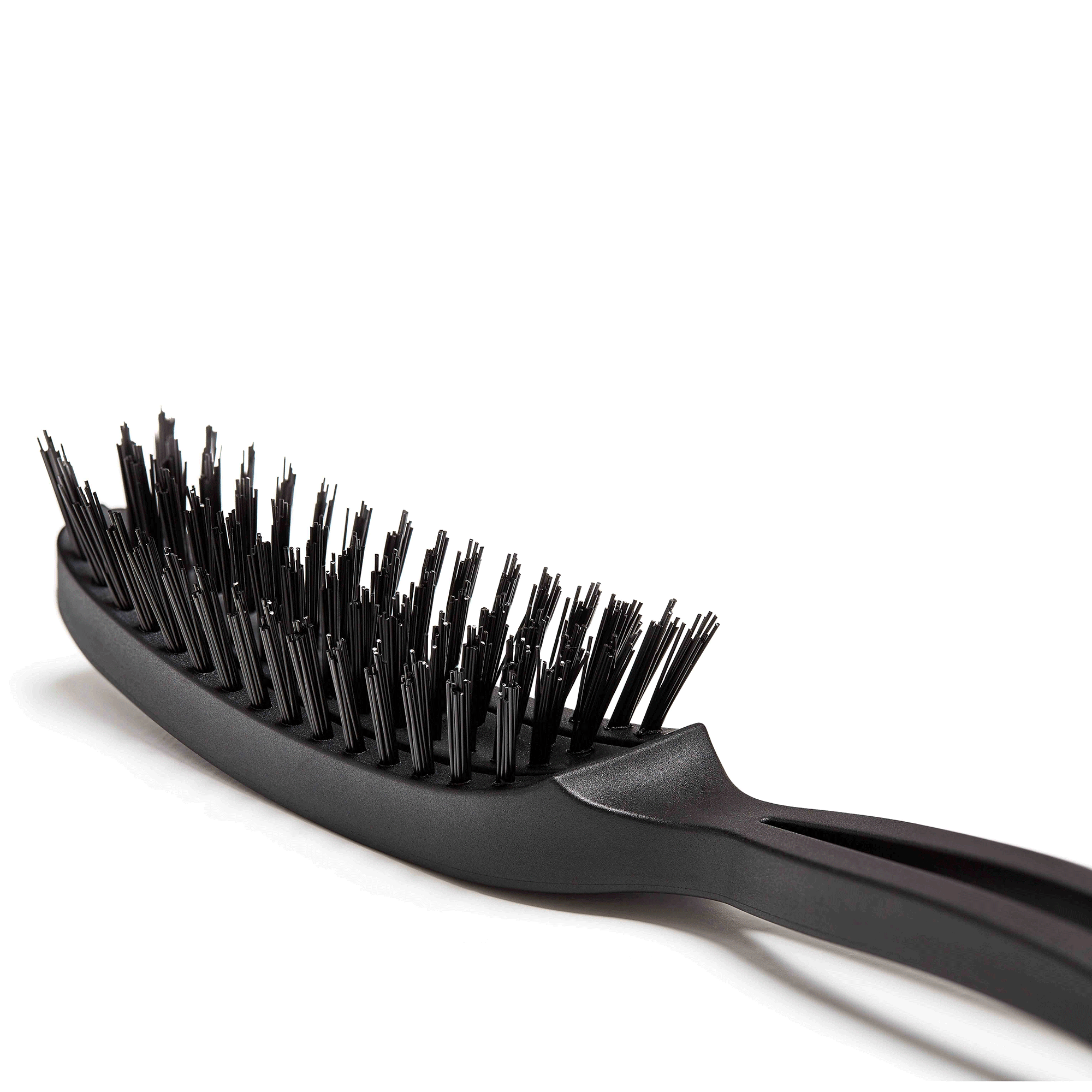
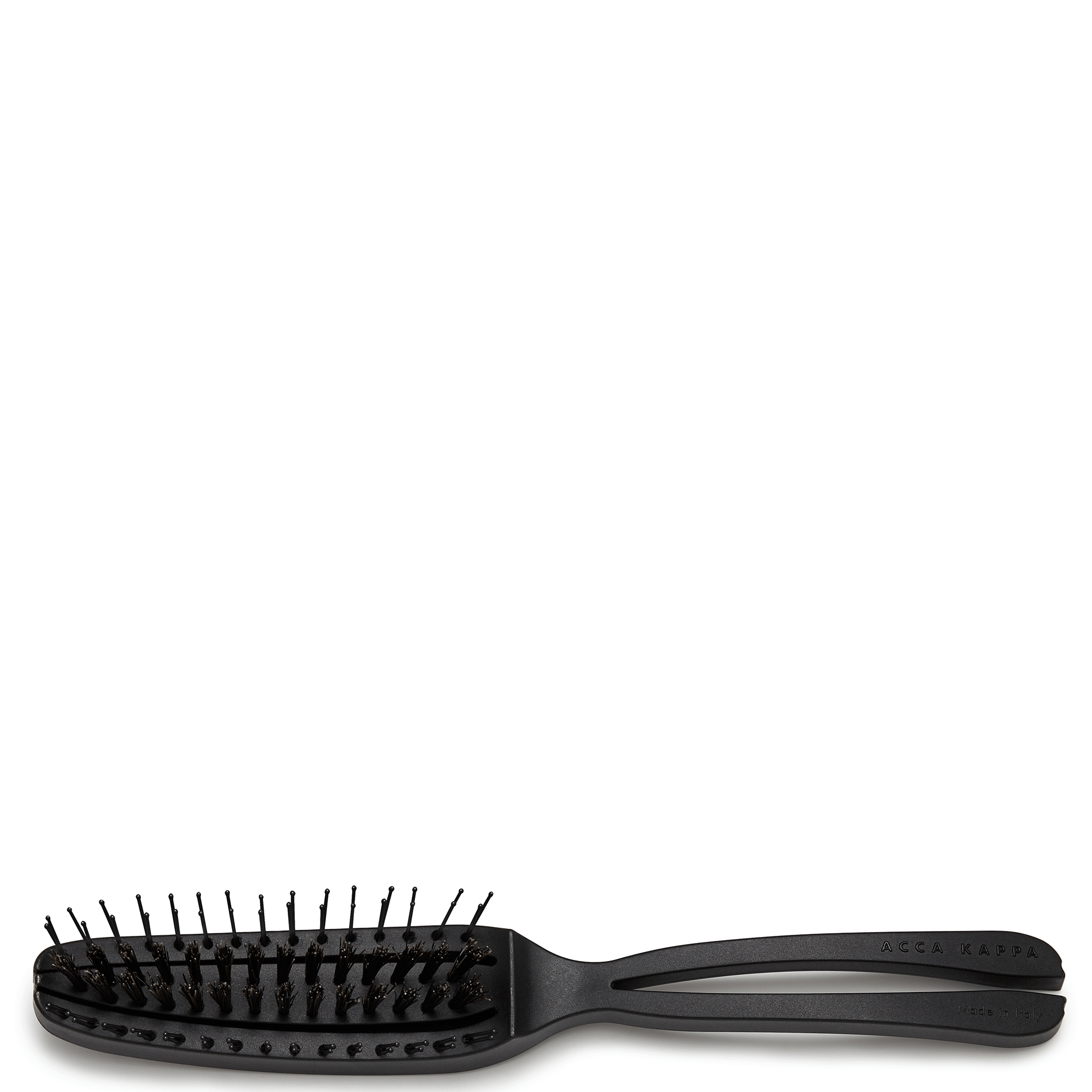
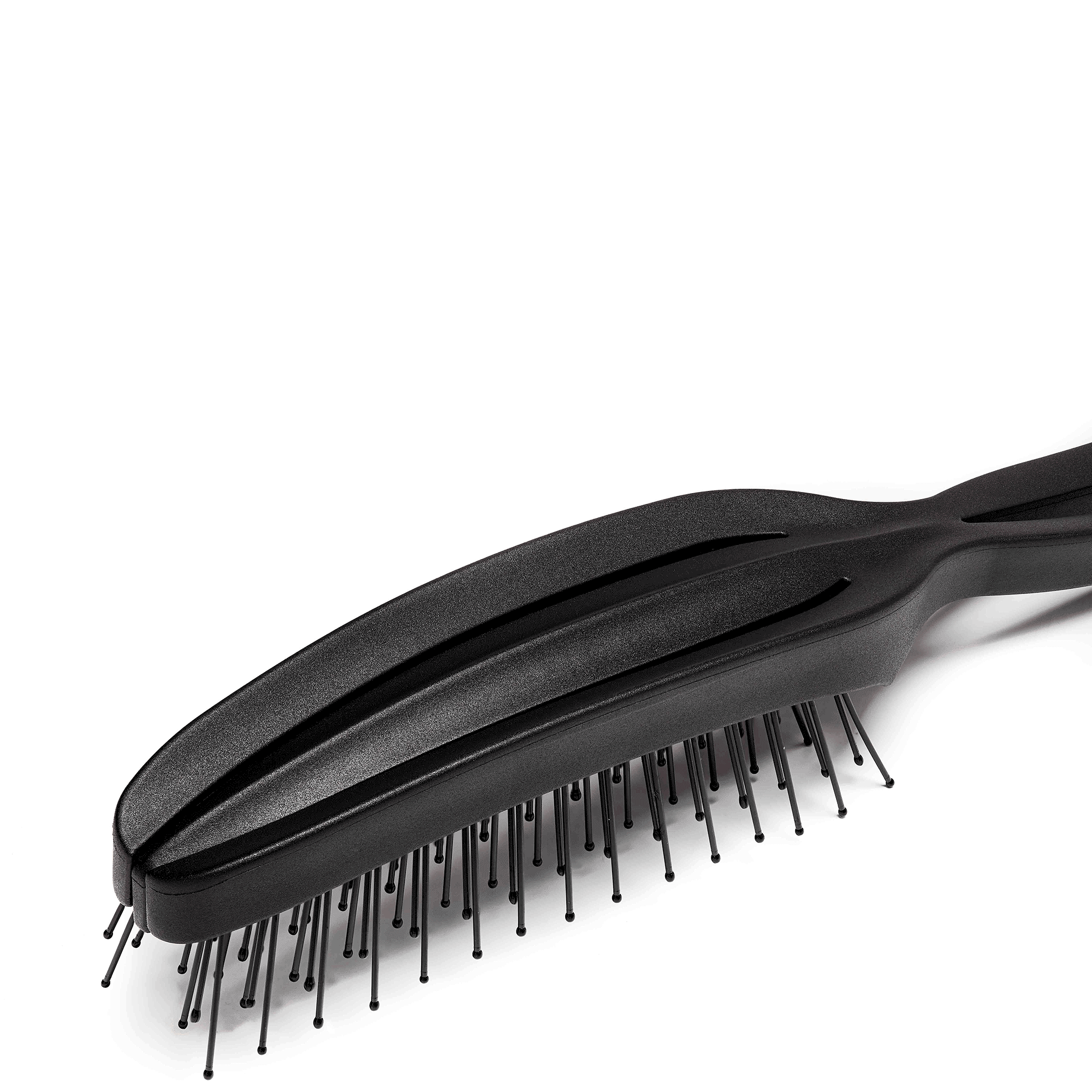
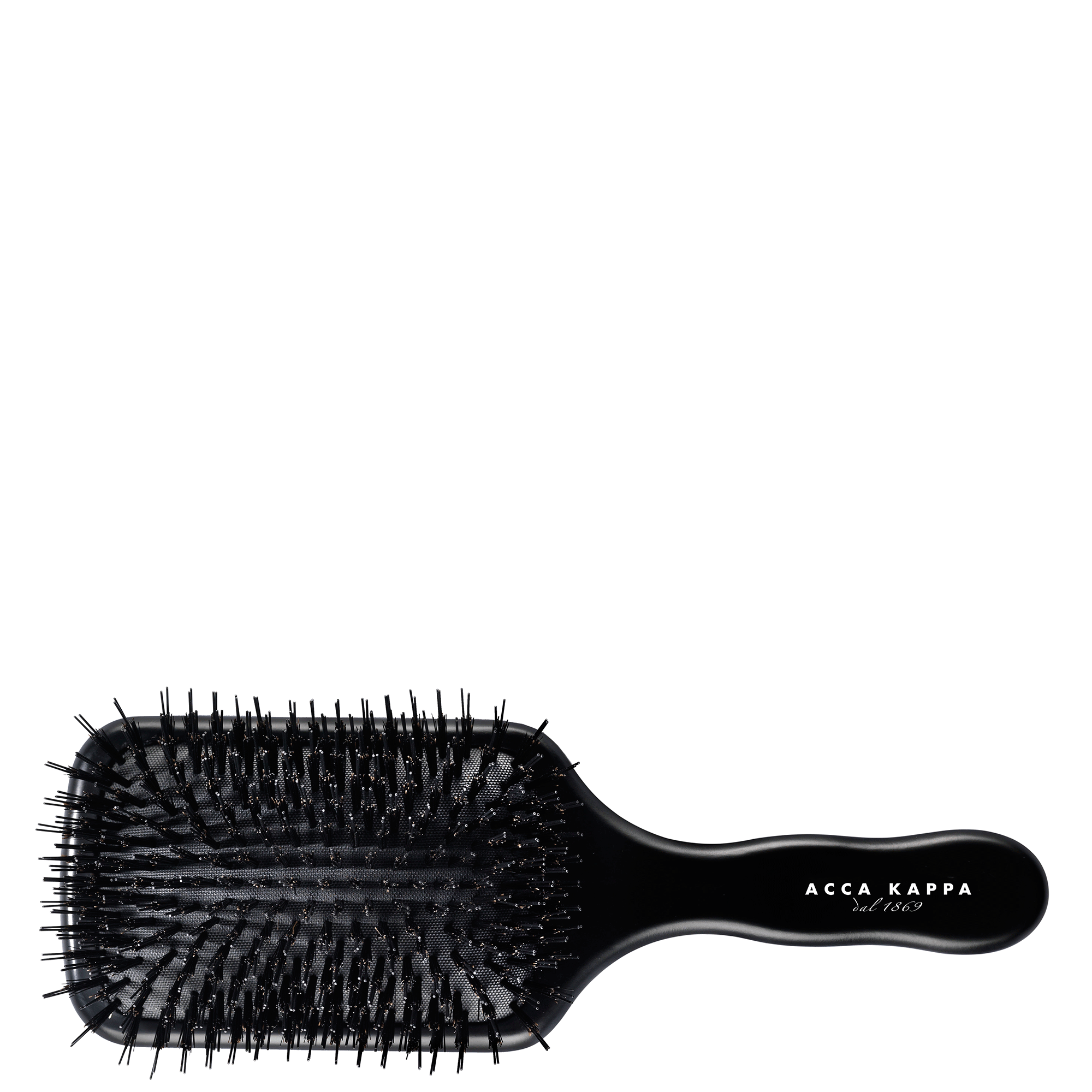
Pneumatic brushes with pure wild boar bristle are particularly well suited to fine hair. Natural bristle distributes the cuticle evenly without causing breakage. The soft natural rubber cushion absorbs pressure on the scalp.

02 Medium to long hair

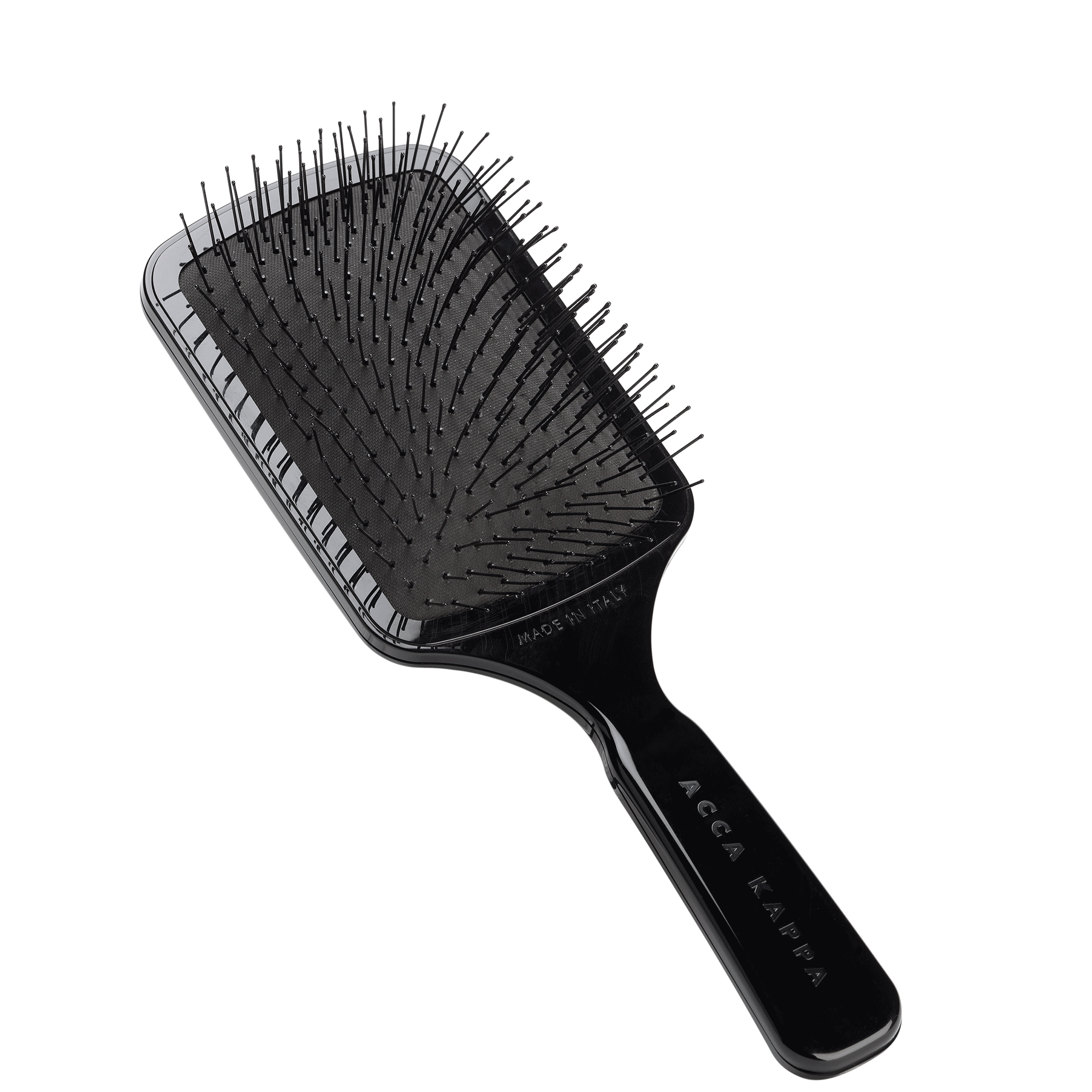
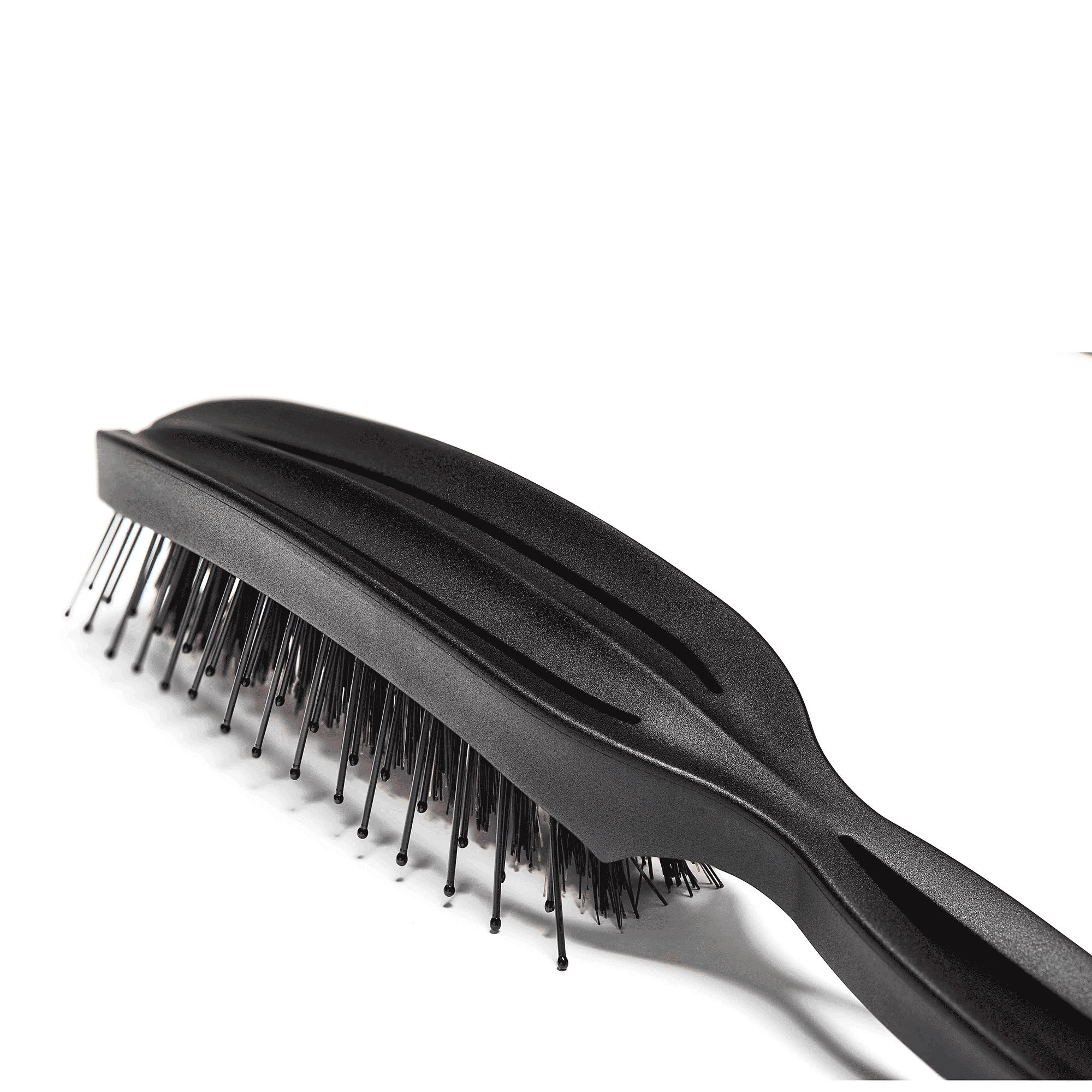
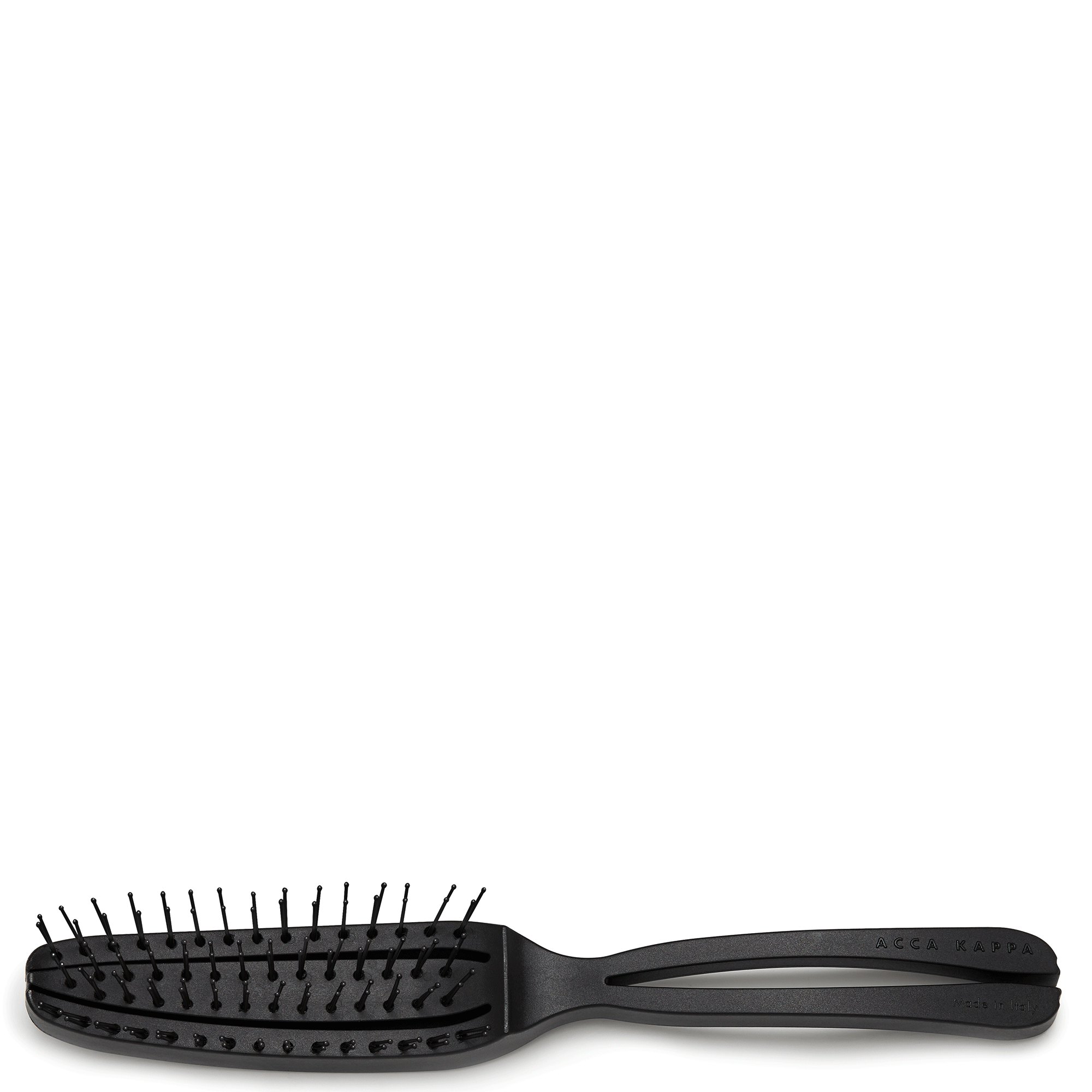
The combination of wild boar bristle and nylon pins (mixed brushes) detangles and smooths at the same time. The oval format works well for medium to long lengths; the paddle format adds volume.

03 Curly or frizzy hair

The anti-static round brush in beechwood was developed specifically for coloured, curly and treated hair. The coating reduces static charge, which is particularly common with dry hair.

04 Extensions and very sensitive hair

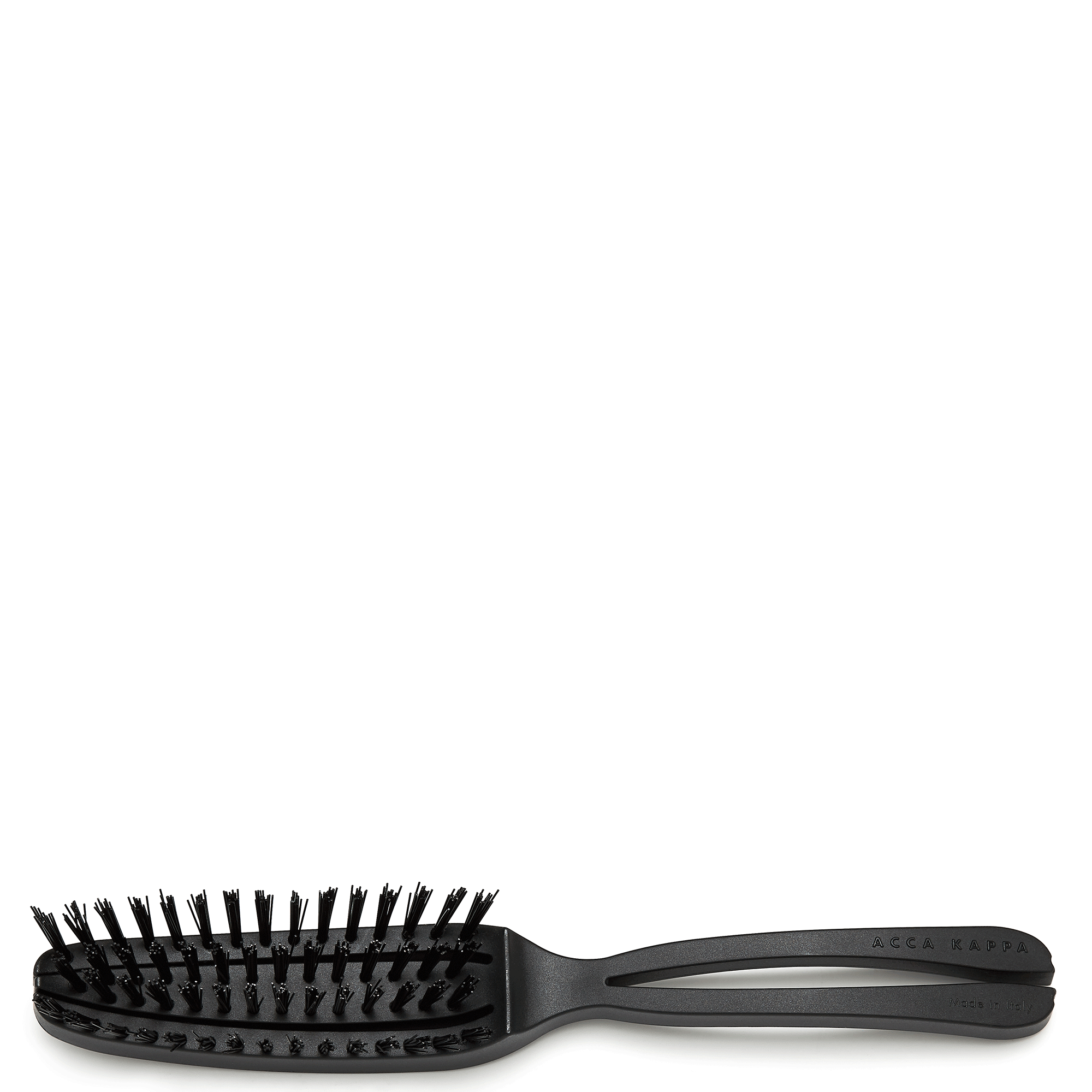
The Extensions Brush Z3 was developed specifically for hair extensions. The pin arrangement is designed to glide through the roots without placing stress on the attachment points.

05 Travel and on the go

All key brush formats are available as compact travel versions. Same material quality, reduced size. Kotibé wood and natural rubber travel with you.

06 Caring for your brush

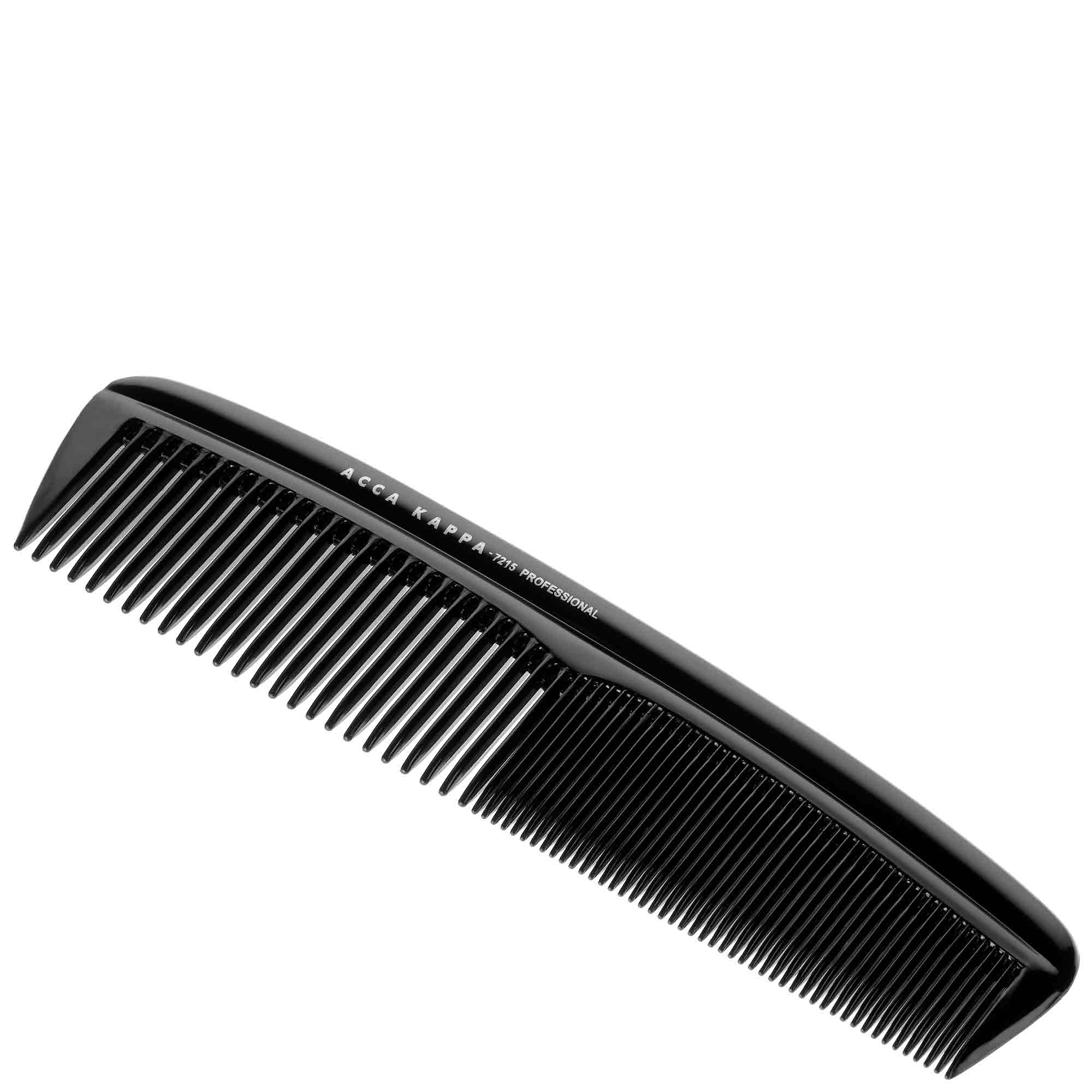
Remove loose hairs from the bristles regularly using a comb or your fingers. Wipe with a slightly damp cloth occasionally. Do not immerse in water, as wood and natural rubber are sensitive to moisture.
Materials

What goes into an Acca Kappa brush

Material selection at Acca Kappa is not a marketing promise but the result of more than 150 years of craft experience. Each material serves a specific function.

Kotibé wood

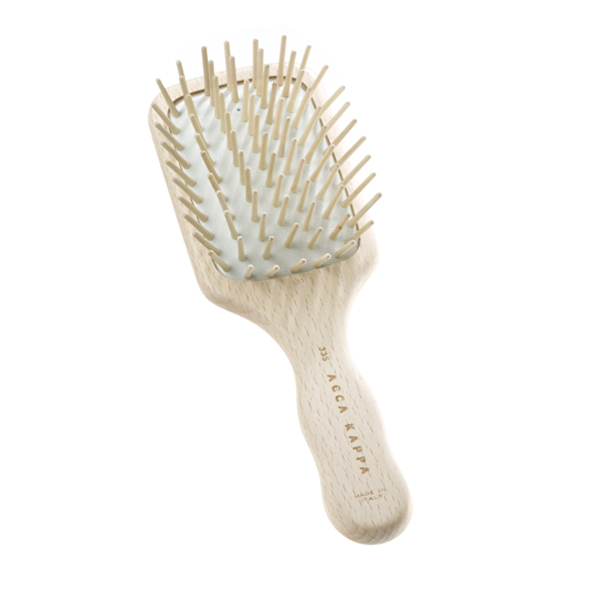
Tropical hardwood with a warm grain. Robust, lightweight and more moisture-resistant than many other wood types. Used for the handles and bodies of pneumatic brushes.

Wild boar bristle

Natural bristle that stimulates the scalp's sebaceous glands and distributes natural oils evenly through the hair. Creates shine without additives.

Carbonium

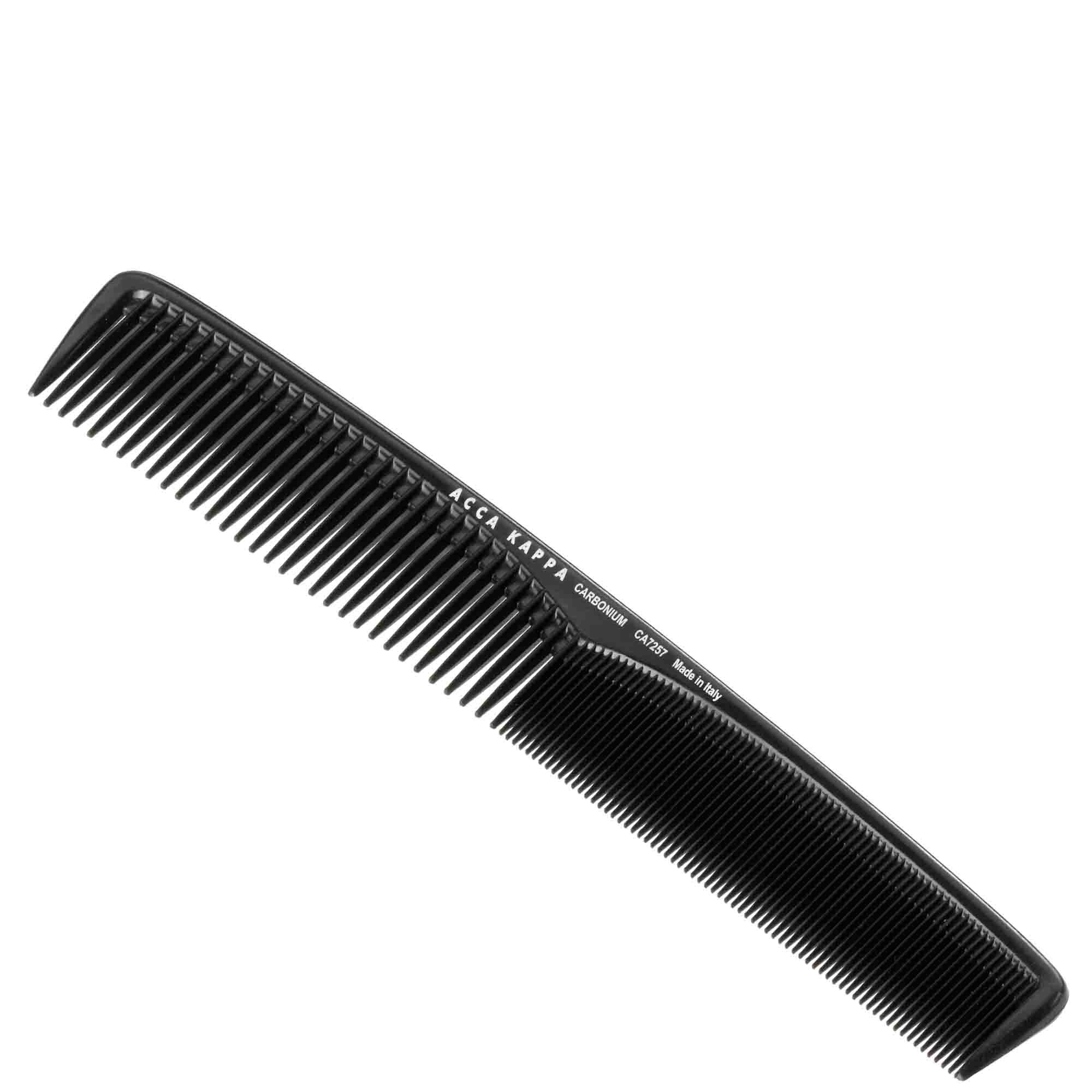
A carbon-based material that is anti-static and infused with silver ions. Reduces static charge and is naturally antimicrobial.

Natural rubber

The cushion beneath the bristles is made from natural rubber, which absorbs brushing pressure. It protects the scalp and hair roots even during intensive brushing.

White Moss

The fragrance that changed everything

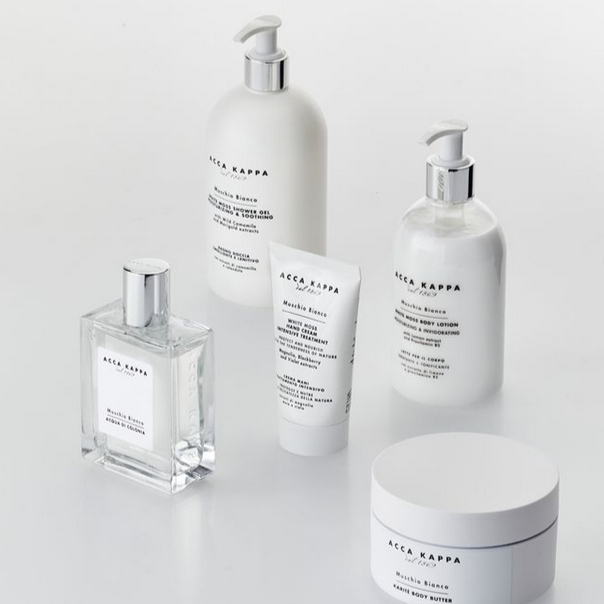
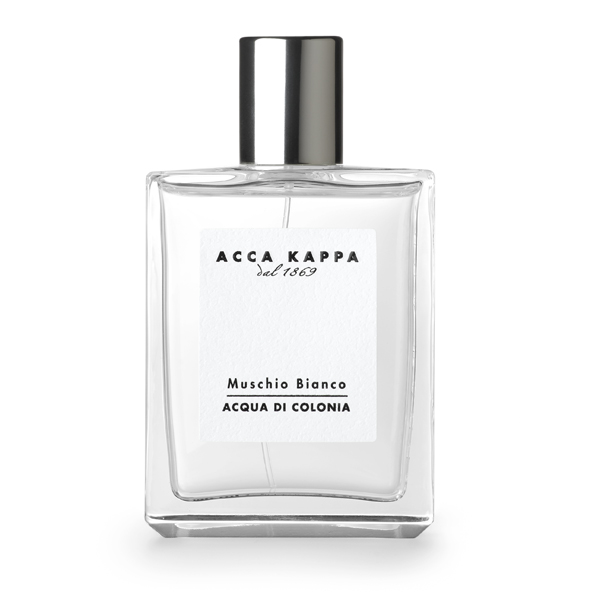
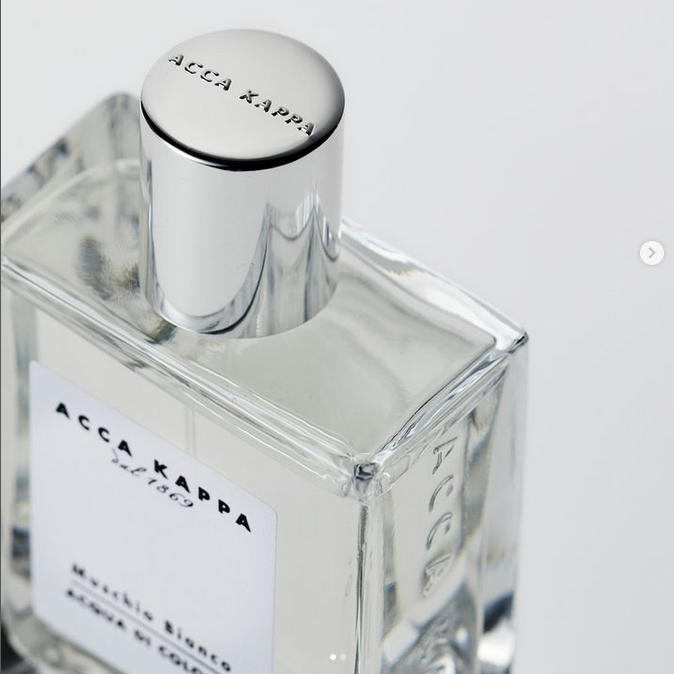
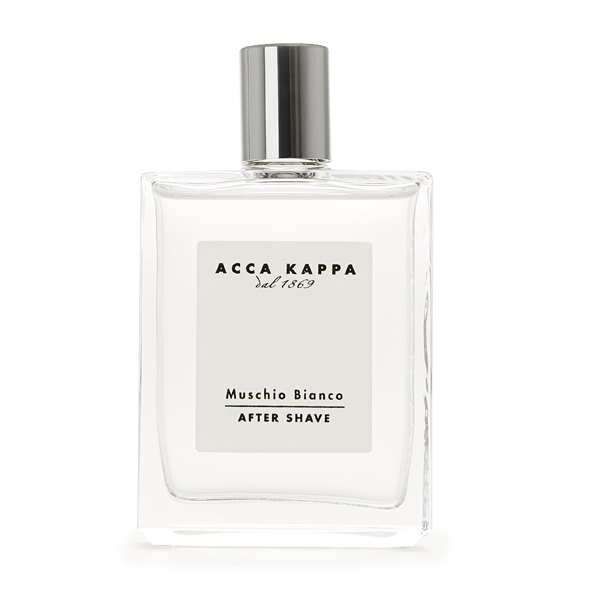
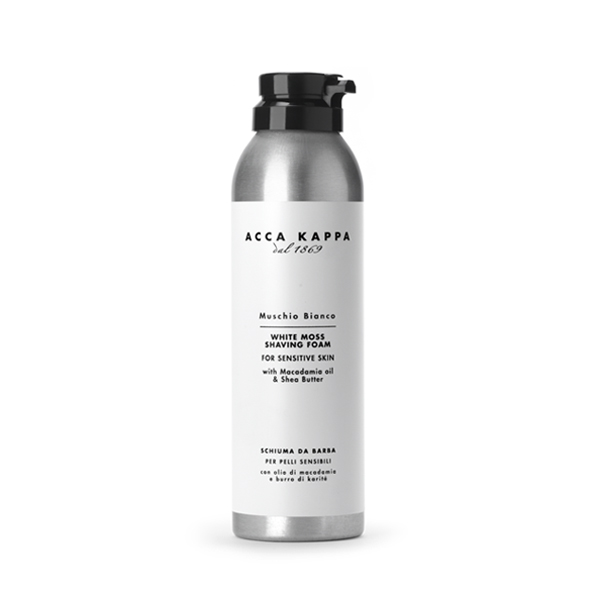
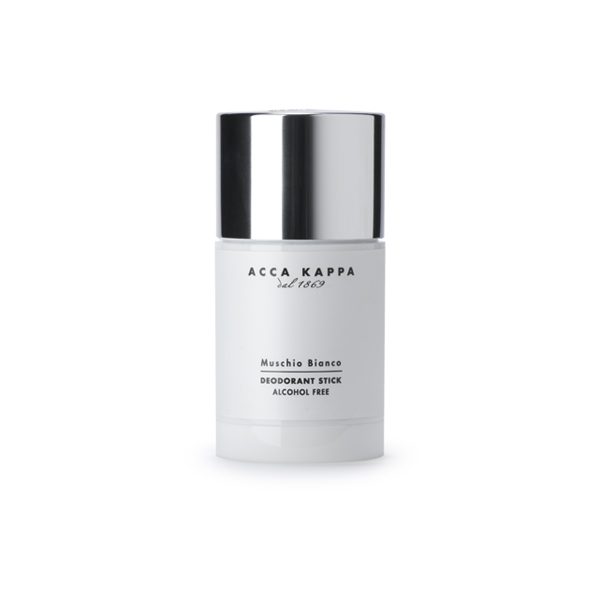
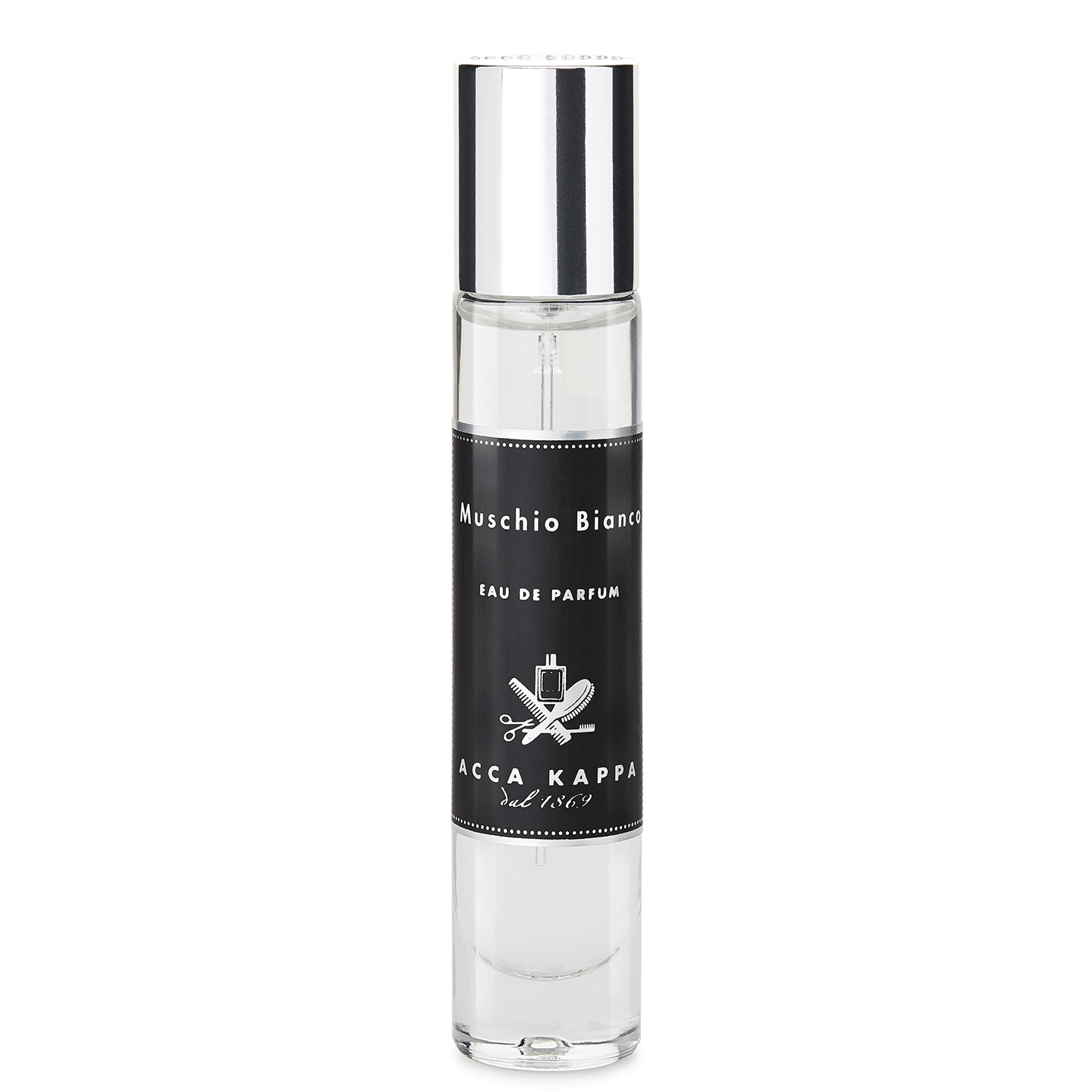
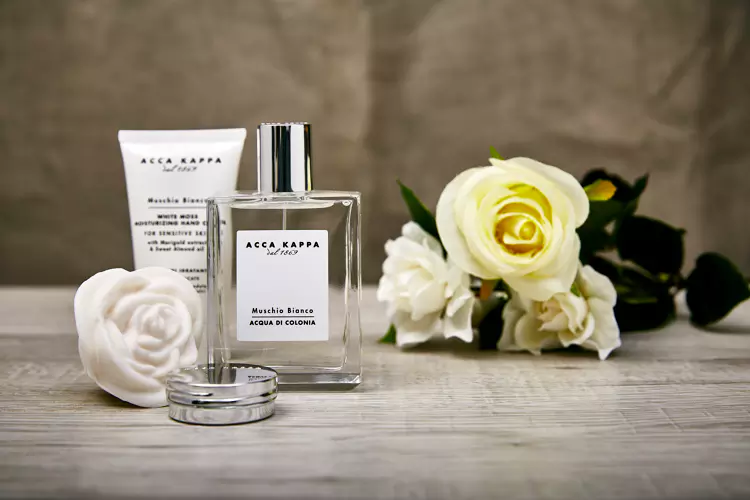
In 1997, Acca Kappa launched its first fragrance. White Moss was conceived as unisex from the outset, which was unusual at the time. The composition combines fresh, spicy and musky notes into a fragrance that transcends seasons and is neither exclusively feminine nor masculine. White Moss became a classic and established Acca Kappa as a fragrance house.

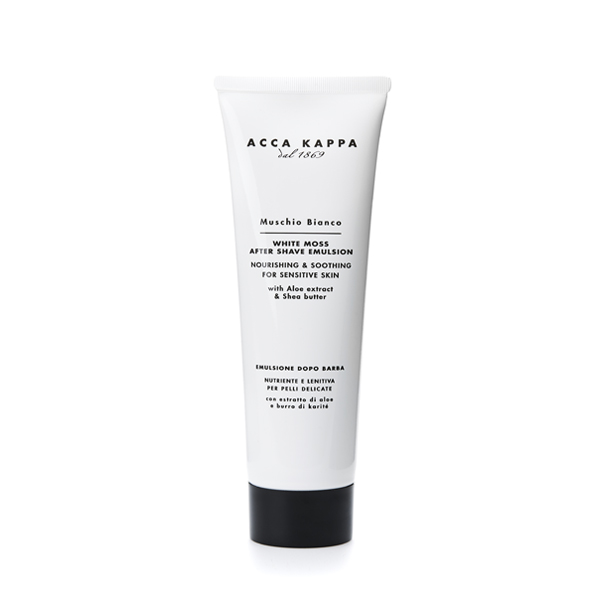
Around the fragrance, a complete care and shaving line has been built, carrying the same character throughout.

Explore White Moss
Sustainability & production

Responsibility that begins with craft

Sustainability at Acca Kappa is not a separate strategy but a consequence of the artisanal approach. Choosing Kotibé wood, wild boar bristle and natural rubber means selecting materials with a significantly longer lifespan than plastic alternatives from the outset. A well-maintained Acca Kappa brush lasts years to decades.

Production takes place entirely in Treviso. Short supply chains, direct quality control, no outsourced manufacturing. The packaging for the fragrance collection is designed using recycled and recyclable materials.

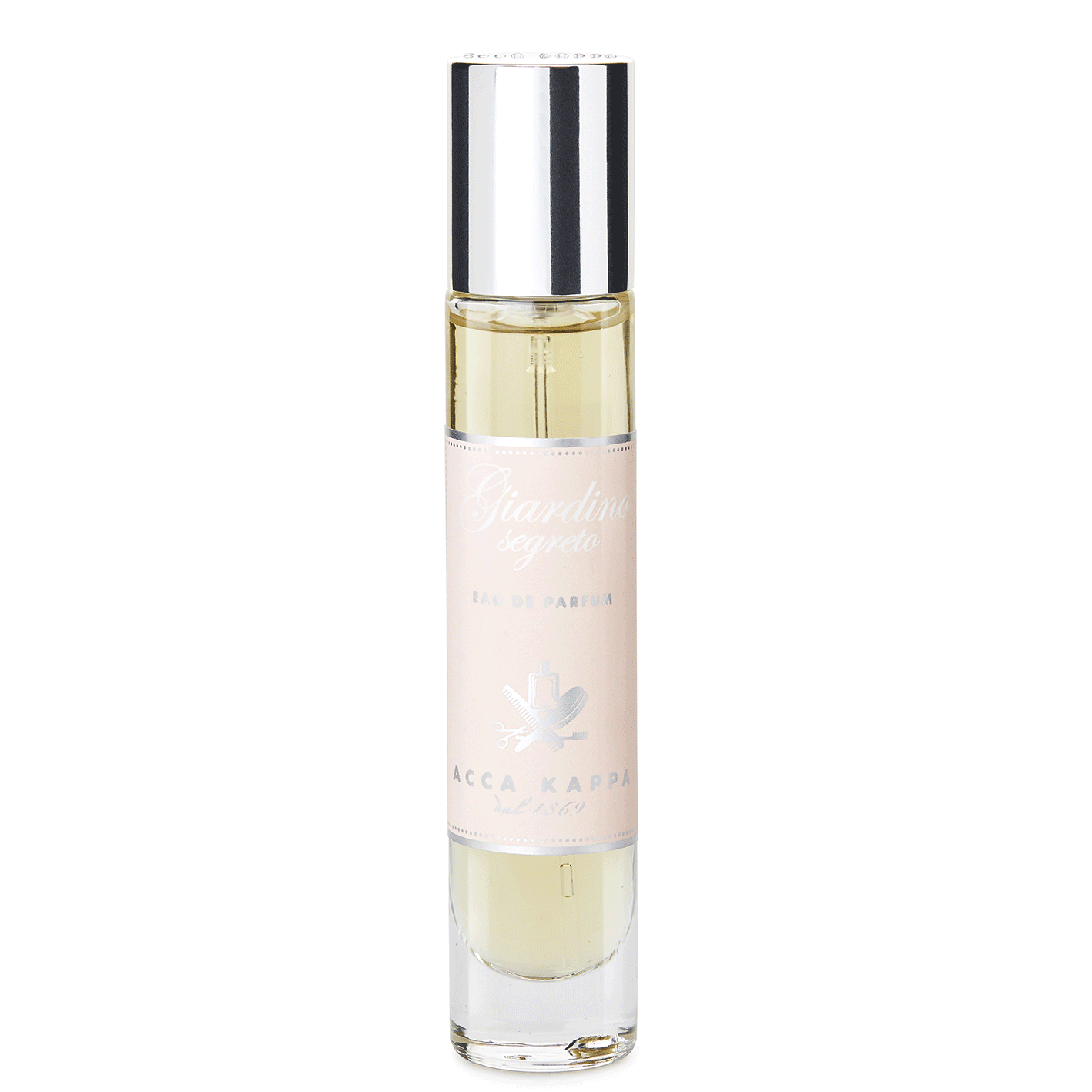
The fragrance line uses only ingredients that pass a strict internal quality review. Elisa Gera-Krüll, a keen gardener herself, has strongly influenced the fragrance development with the plant world of the Treviso area: magnolia, elder flower and citrus from the Mediterranean region are starting points for many of the compositions.

The company employs multigenerational families in Treviso who actively pass on craft knowledge. This form of continuity is a central part of how Acca Kappa understands itself.


Frequently asked questions

Everything you need to know about Acca Kappa

In Italian, the letters H and K are pronounced Acca and Kappa. The name Acca Kappa is therefore nothing other than the Italian pronunciation of the initials of company founder Hermann Krüll. In this way, the founder's name is permanently written into the brand.
All Acca Kappa products are manufactured exclusively in Italy, at the historic company headquarters in Treviso in the northern Italian Veneto region. No part of the production is outsourced.
For fine and delicate hair, pneumatic brushes with pure wild boar bristle are recommended. The soft natural rubber cushion and natural bristle protect the hair structure and prevent breakage. The oval Kotibé wood models are a good starting point.
The Eau de Cologne contains a lower concentration of fragrance extract and is fresher and lighter. The Eau de Parfum is more intense and lasts longer on the skin. Both versions are unisex and share the same fragrance character with fresh, spicy and musky notes.
Remove loose hairs from the bristles regularly using a comb or your fingers. Wipe the brush occasionally with a slightly damp cloth. Do not immerse in water, as the natural rubber cushion and the wood are moisture-sensitive. Store in a dry place.
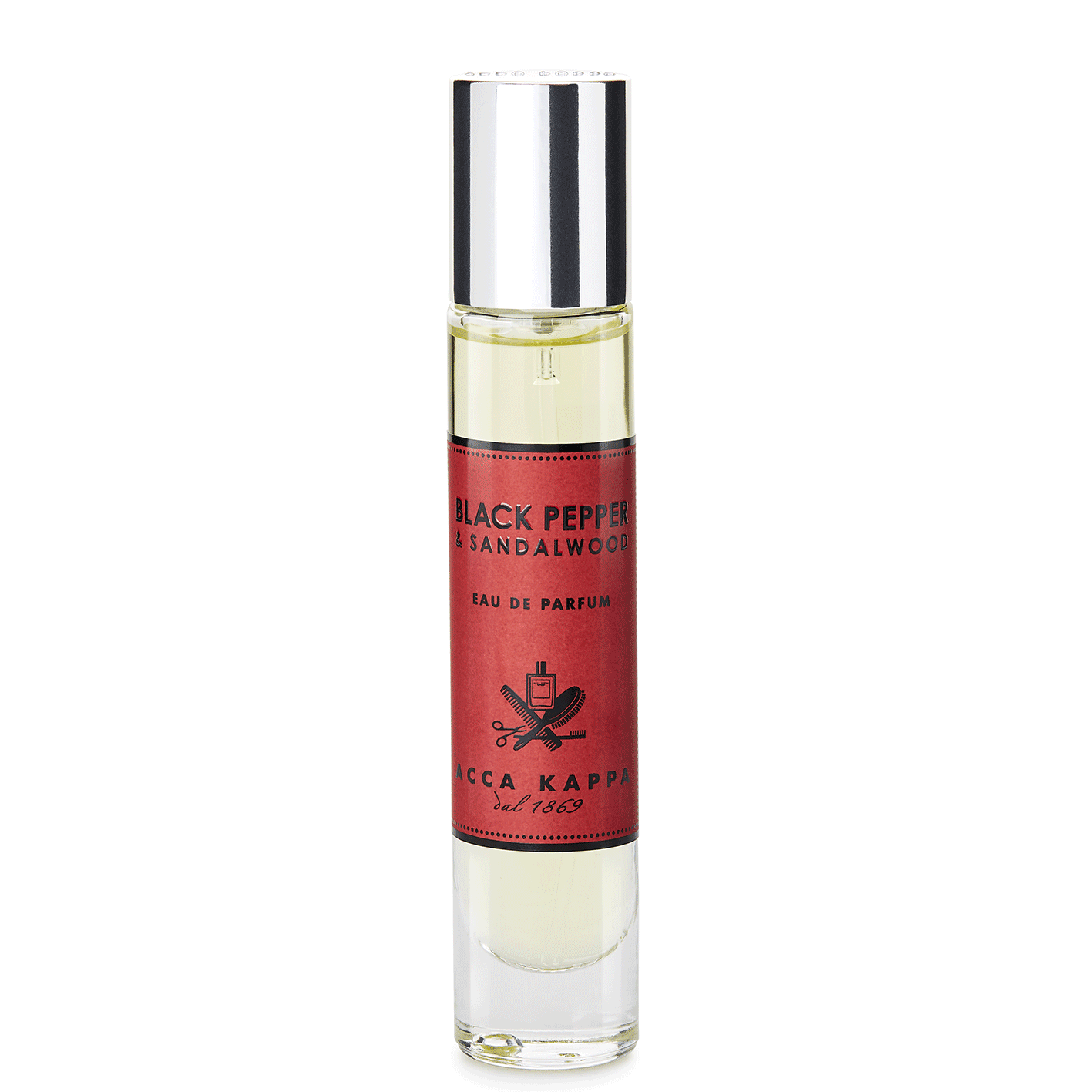
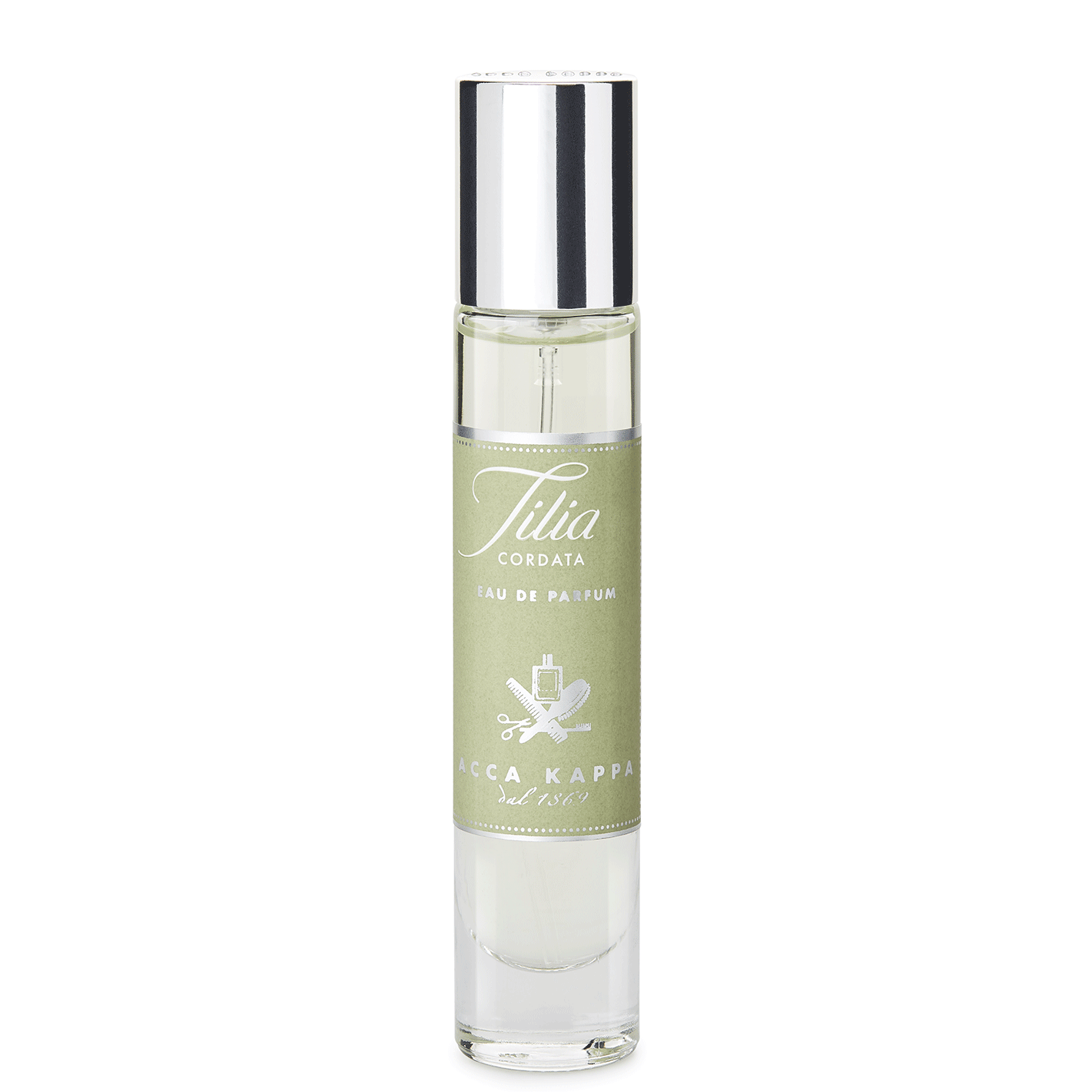
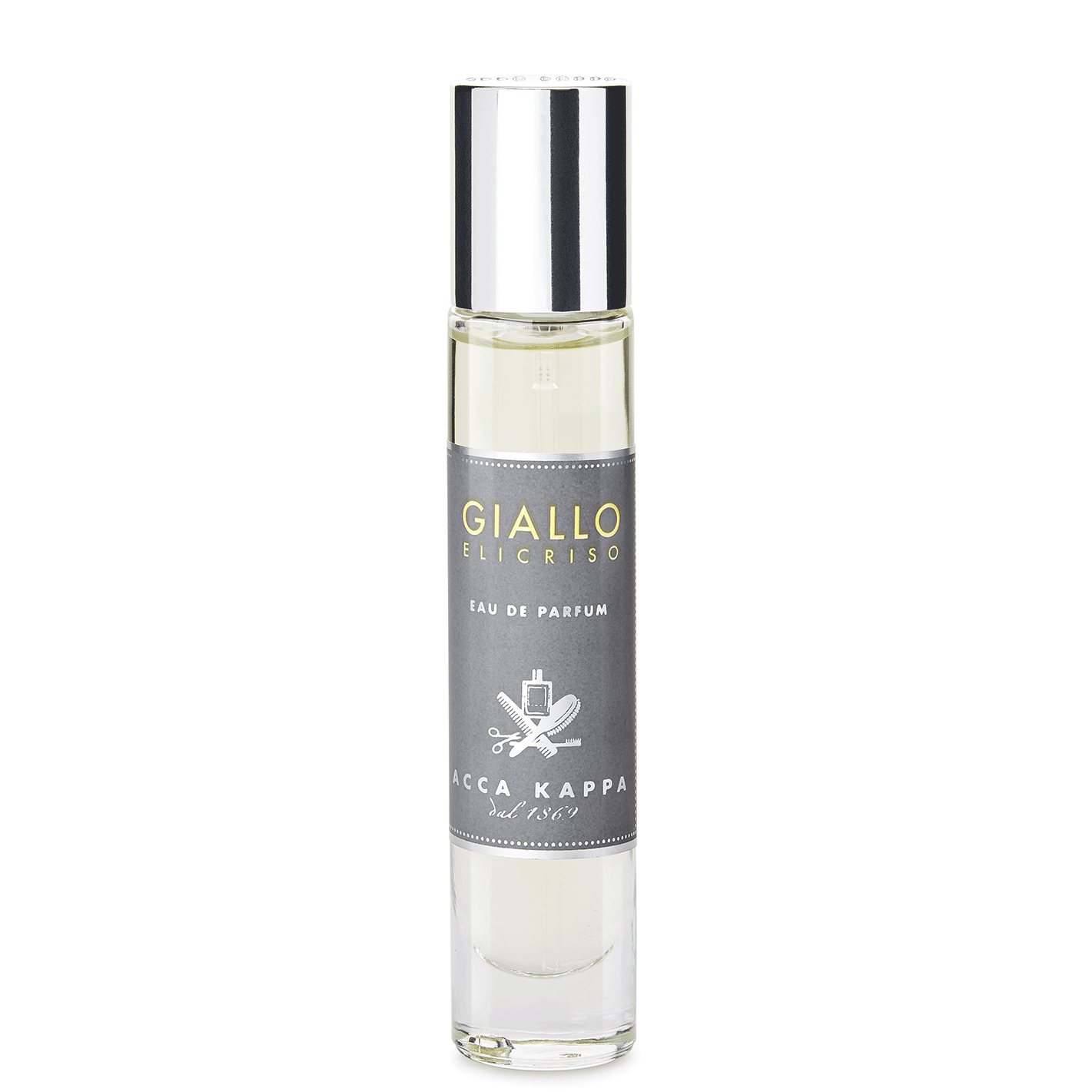
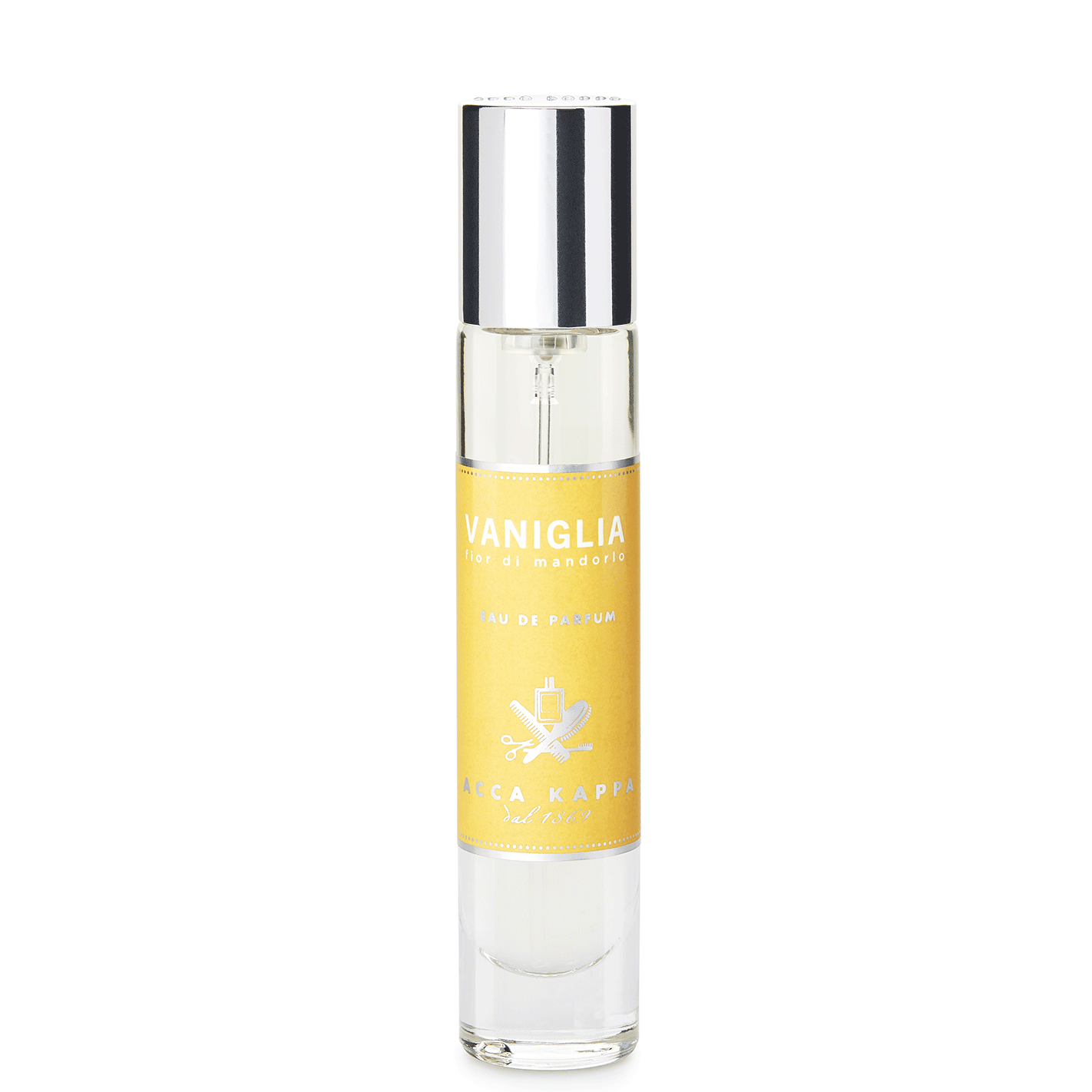
Many Acca Kappa fragrances, most notably White Moss, are intentionally composed as unisex. Most of the garden fragrance editions in the small flaçon collection (15 ml) are also not directed at a specific gender. The men's fragrance 1869, introduced in 2005 and named after the founding year, is however expressly masculine in character.

Discover Acca Kappa at Belladonna

Hairbrushes, White Moss and fragrances from Treviso. Or book a personal consultation.